
News & Insights
MENU


November 26, 2025
Advertising secures visibility through paid placements that guarantee control over message and timing. Public Relations, by contrast, earns visibility through storytelling and credibility. In essence, advertising buys attention while PR earns trust.


As of 2025, Southeast Asia is home to more than 700 million people across 11 countries, each with its own language, culture, and media ecosystem.
From the digital-first markets of Singapore and Malaysia to the fast-growing economies of Vietnam and Indonesia, this region represents one of the most diverse and competitive communications landscapes in the world.
For brands operating here, visibility alone is not enough. Building recognition that translates into trust and loyalty requires a careful mix of public relations (PR) and advertising, each playing a distinct yet complementary role.
Both disciplines aim to shape perception and drive engagement, but they do so through very different means. Advertising secures visibility through paid placements that guarantee control over message and timing. Public Relations, by contrast, earns visibility through storytelling and credibility.
In essence, advertising buys attention while PR earns trust. Successful brands in Southeast Asia understand that neither can function in isolation. They must be woven together into a unified strategy that combines reach with authenticity.
Public relations revolves around the power of earned media. It is the art of building relationships, shaping narratives, and influencing public opinion through credibility.
As masters of storytelling, PR professionals (or publicists in entertainment PR) work to make a brand’s story compelling enough that journalists, influencers, or communities want to tell it themselves.
This credibility becomes key when audiences have grown increasingly more sophisticated and selective about the messages they trust.
Globally, consumers are increasingly sceptical of overtly promotional content. However, the consensus remains broadly similar. A TikTok study revealed that nearly 80% of Asia-Pacific (APAC) consumers are more influenced by non-promotional content that demonstrates a product's value (such as reviews, benefits, and demonstrations) than by content focusing on discounts.
A well-crafted PR strategy cuts through the noise. It offers meaningful perspectives and human stories. When a brand communicates values, community impact, or expert insight instead of sales slogans, it earns attention for the right reasons.

One strong example is the rise of Grab, the Southeast Asian super-app. Long before it became one of the region’s most recognised unicorns, Grab invested heavily in public relations. The company prioritised building trust, working closely with local governments and media to explain its mission, regulatory approach, and community impact.
Grab also engaged deeply with its driver communities and consistently shared stories that highlighted economic empowerment, safety, and everyday success. These efforts positioned Grab as a platform created for local people, not imposed on them.
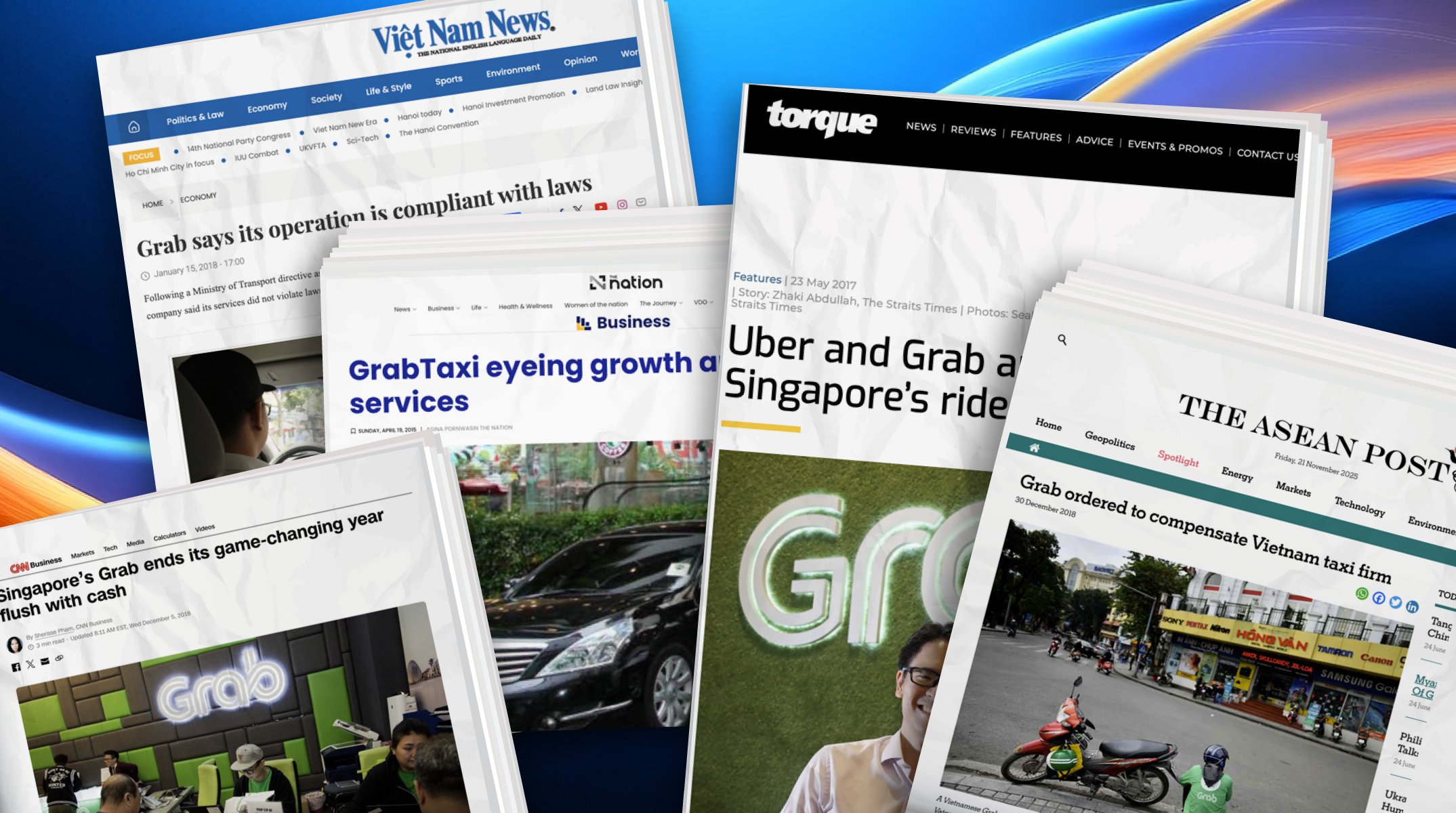
The basis of trust created by PR meant that when advertising came later, it reinforced an already credible narrative. The brand was not seen as an outsider buying attention, but as a local partner growing alongside the community.
Today, PR has evolved and expanded beyond the traditional press release. It now encompasses executive branding, community engagement, influencer partnerships, and digital reputation management. It is as much about thought leadership on LinkedIn as it is about front-page headlines.
For brands across Southeast Asia, this ability to adapt across platforms is vital. PR ensures that when advertising efforts do go live, they land on an audience that already believes in the brand’s story.
Advertising delivers something public relations cannot achieve on its own. It provides scale, reach, and speed. It guarantees that a message is seen, often within minutes of a campaign going live.
In large, mobile-driven markets such as Southeast Asia, a single paid campaign can reach millions of people almost instantly. Advertisers (or ad folks) excel at turning creative ideas into high-impact visibility.
While PR builds credibility, advertising ensures that the brand stays visible and competitive. The two work best when used together. PR shapes the story. Advertising amplifies it.
This creates a symbiotic relationship where earned media gives a brand authenticity and paid media gives it momentum. One strengthens the other.
Even the strongest PR narrative needs reinforcement. A powerful story can fade quickly in a crowded media environment. Advertising provides continuity. It keeps the message present and helps convert trust into tangible action. It turns belief into behaviour, whether that is a purchase, a sign-up, or a brand recall.
This balance also allows brands to stay agile. PR helps anchor a brand during sensitive or complex moments. Advertising then takes that same narrative and pushes it out widely.
For example, a company can use PR to announce a major sustainability initiative. Once the story gains credibility through earned coverage, advertising can amplify it across markets. Audiences see both depth and consistency.
Grab illustrates this dynamic clearly. After establishing trust and familiarity through years of strong public relations work, Grab began expanding its paid advertising to reach wider audiences. At this stage, advertising played a different role. It did not need to explain what the brand stood for. Instead, it helped scale awareness of new services, reinforce convenience, and keep the brand top of mind in a highly competitive market.

The ads were effective because they amplified a story that Southeast Asians already recognised and believed. They worked not as substitutes for PR, but as accelerators that helped the brand grow from recognition to ubiquity.
For companies in Southeast Asia, success lies in knowing when to let public relations take the lead and when to let advertising turn up the volume.
Credibility must always come first. An effective PR strategy lays the groundwork by shaping the narrative, building thought leadership, and nurturing trust through earned media. Once that foundation is in place, advertising in Southeast Asia can reinforce key messages, expand reach, and drive conversions. In other words, PR sets the stage and advertising brings the house in.
Measurement is also essential for brands trying to balance earned media and paid media. Advertising provides quick and measurable results through clicks, impressions, and leads. Public relations contributes long-term brand value through sentiment, share of voice, and media quality. Brands that measure both sides of the coin gain a clearer view of their true market performance and avoid putting all their eggs in one basket.
Localisation plays an equally important role in communications across Southeast Asia. What resonates in Hong Kong may miss the mark in Vietnam, and what succeeds in Singapore may fall flat in Indonesia. Cultural nuances, media habits, and language preferences vary widely. Brands that tailor their PR and advertising efforts to each market are far more likely to hit the right note and build sustainable relevance.
Public relations and advertising should work hand in hand toward the same goal of strengthening brand trust and engagement. PR gives a brand its authentic voice through credibility and storytelling. Advertising gives that voice strength by amplifying messages at scale. When both move in tandem, brands do more than catch the eye. They hold attention and stay top of mind.
In a region as diverse and fast-maturing as Southeast Asia, this balance is what turns awareness into advocacy and customers into communities.
The future of brand communications belongs to companies that understand a simple truth. Trust cannot be bought off the shelf. It has to be earned, nurtured, and amplified through every story a brand chooses to tell.
Stay ahead with analysis and communications insights from teams working across SEA, India, and Europe.
Stay informed with Ellerton & Co.’s latest updates and expert insights at the intersection of PR and business.