
News & Insights
MENU


July 24, 2026
There is a particular kind of vertigo that comes with doing PR in Vietnam right now. You can build a media list on a Monday, and by the following month, the journalist you pitched has been reassigned to a newly merged newsroom, and the press release you sent has to be double-checked because something in the landscape has already shifted again.


That is simply what working in Vietnamese media looks like at this moment. Some are calling this Vietnam's "Doi Moi 2.0," a nod to the 1986 reforms that first opened the economy. This new chapter is defined by regulatory refinement, sustainable growth, and a country integrating into the global financial system faster than most of its neighbours. The press has been experiencing its own parallel transformation, with outlets merging, restructuring, and in some cases, considerably shrinking their newsrooms.
Brands are often tempted to treat this as noise to wait out. It is the new operating environment instead, and the ones who work within it, rather than around it, are the ones who will still be landing meaningful coverage two years from now.
Vietnam's media industry has been undergoing one of its most significant periods of restructuring in decades. Newsrooms have merged, outlets have folded into larger entities, and many publications now operate with leaner teams covering broader beats than before.
The journalist who covered your sector last year may now be covering something broader, or simply be harder to reach. Pitching to Vietnam without re-verifying who actually sits where is one of the fastest ways to waste a genuinely good story. The old "press release blast" approach was already losing relevance, and a leaner press has made it close to obsolete.
That same need for precision applies regionally. Vietnam carries a strong sense of national identity, and that unity is real and deeply felt. At the same time, anyone who has worked across cities like Hanoi and Ho Chi Minh City knows that audiences, tone, and media preferences are not always identical. Some of this comes down to different habits and dialect, and some comes down to a different pace and sensibility in how stories get told and received.
Genuine localisation means tuning in to those distinctions, and brands that do so consistently see stronger pickup.
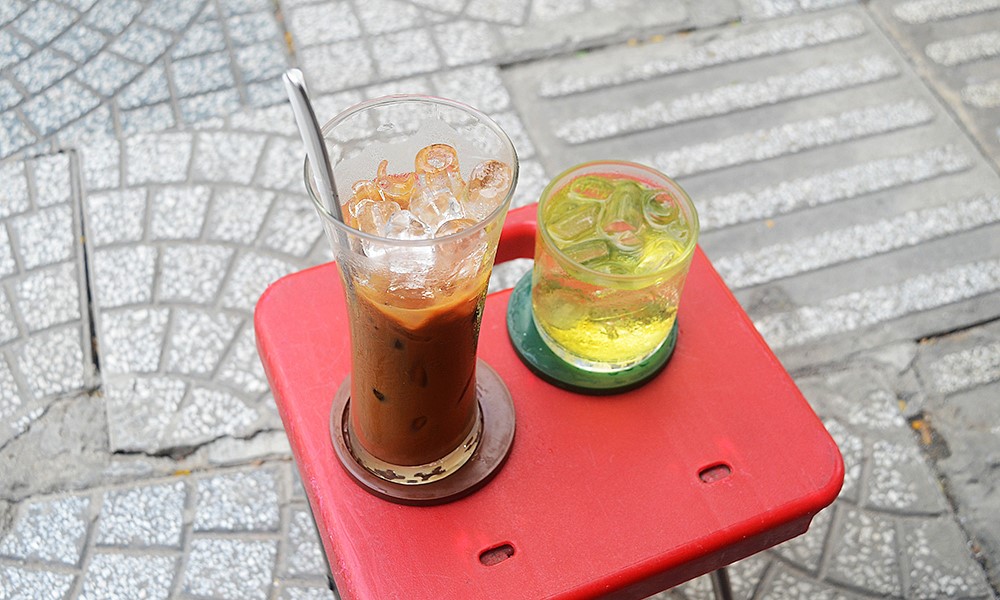
For years, the easiest narrative for any brand here was to ride the macro wave: Vietnam as the next manufacturing hub, the country everyone is suddenly bullish on. Meltwater’s data bears this out, as coverage tying Vietnam to manufacturing and factories has generated at least 877,000 mentions this year, making it comfortably the biggest storyline in the conversation. But while that narrative still has currency, it has also become a little too easy and a little too crowded.
The sharper opportunity sits underneath it. GDP growth is projected to accelerate in the next few years. In late 2025, FTSE Russell upgraded Vietnam to Secondary Emerging Market status, opening meaningful capital inflows, even as the market navigates a genuine credit crunch amid tighter liquidity and higher rates.
Since the macro story isn't going anywhere, the room to stand out sits in the more specific conversations running alongside it. For instance, tracking links between Vietnam and green growth, capital markets, and governance shows those mentions have already passed 118,000 in 2026 (via Meltwater). Crucially, the tone there is notably warm, with nearly half outright positive and almost all the rest neutral mentions, showing a real appetite for deeper stories.
Brands that simply say "Vietnam is booming" get lost in the noise. The ones who do well tell a company-specific story: proving financial resilience, demonstrating strong governance under new scrutiny, or a real connection to the country's growth ambitions.
“If you ask any seasoned PR practitioner in Vietnam how they really built their best media relationships, very few will say it started with a press release. It usually started over a slow cà phê sữa đá that had nothing urgent attached to it.” - Michelle Bui
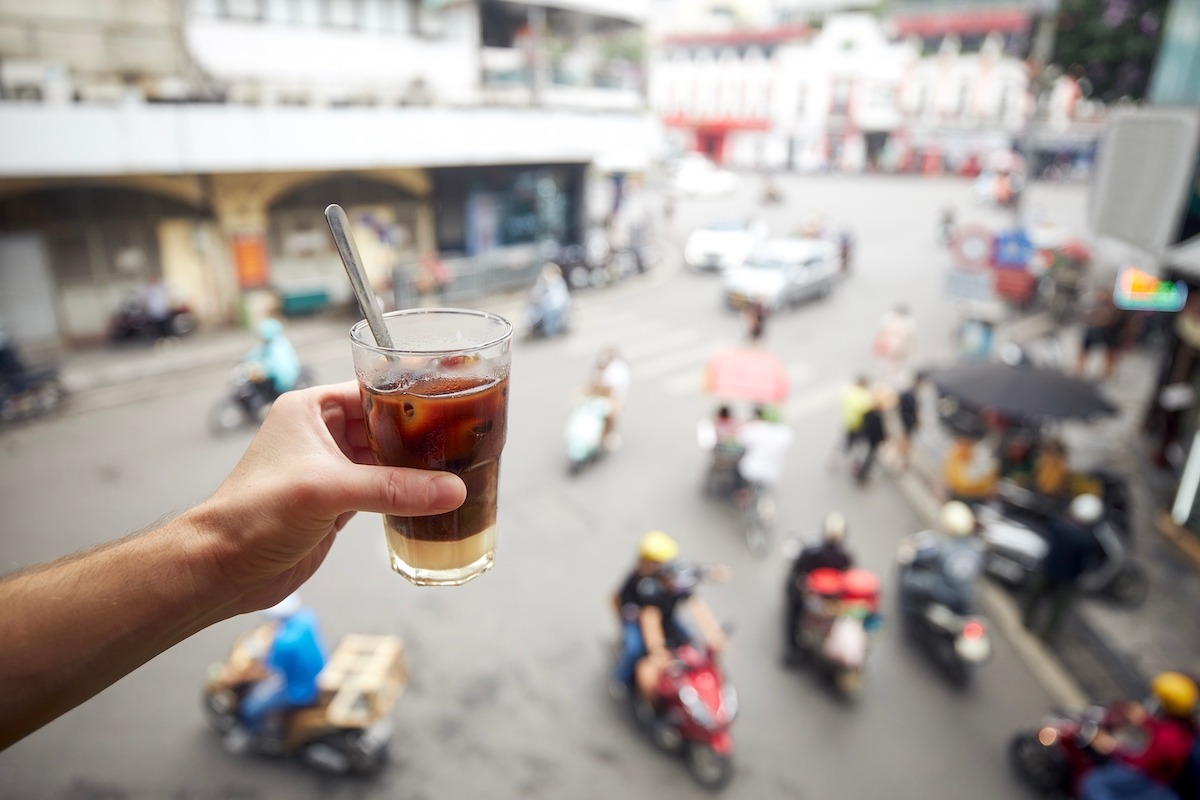
Vietnamese relationship culture, in media and well beyond it, is built informally before it is built professionally. Sitting down with a journalist with no pitch in hand, with no expectation of coverage in return, is the actual foundation on which everything else gets built. A journalist who has shared a few unhurried conversations with you, who has seen you show up consistently and not just when you need something, will read your next pitch differently than a cold email ever could.
What I have found, sitting across from journalists over the years, is that one session rarely tells you much. The real value shows up over several, spread out, with no agenda attached. You start to understand what actually drives someone professionally, beyond the beat on their masthead, and where they feel underserved by the usual PR outreach. That insight never comes through a single meeting or a polished media kit.
This is also where the relationship becomes genuinely two-way. Once you understand a journalist as a person, you start to see ways to support their work: flagging a useful source, sending a data point before anyone else has it, and being someone they can call for a fast, honest read. None of this happens after one meeting. It happens after months and years of consistently showing up.
Media booking is more integrated into the overall visibility strategy here than many newcomers expect, working alongside earned coverage. Here, outlets often run on leaner commercial models, booked placements and structured partnerships are a normal part of how brands build sustained visibility.
The strongest campaigns blend the two deliberately: earned coverage for credibility and a genuine news angle, booking to reinforce key messages over time. Earned-only strategies can struggle to cut through here. Booking without a real story underneath reads as hollow.
As my director Oliver puts it, the consolidation of Vietnam's media landscape marks the start of something more deliberate than the old approach to PR. Credibility is the currency that moves the needle now, and booking reinforces that credibility when it sits atop a real story.
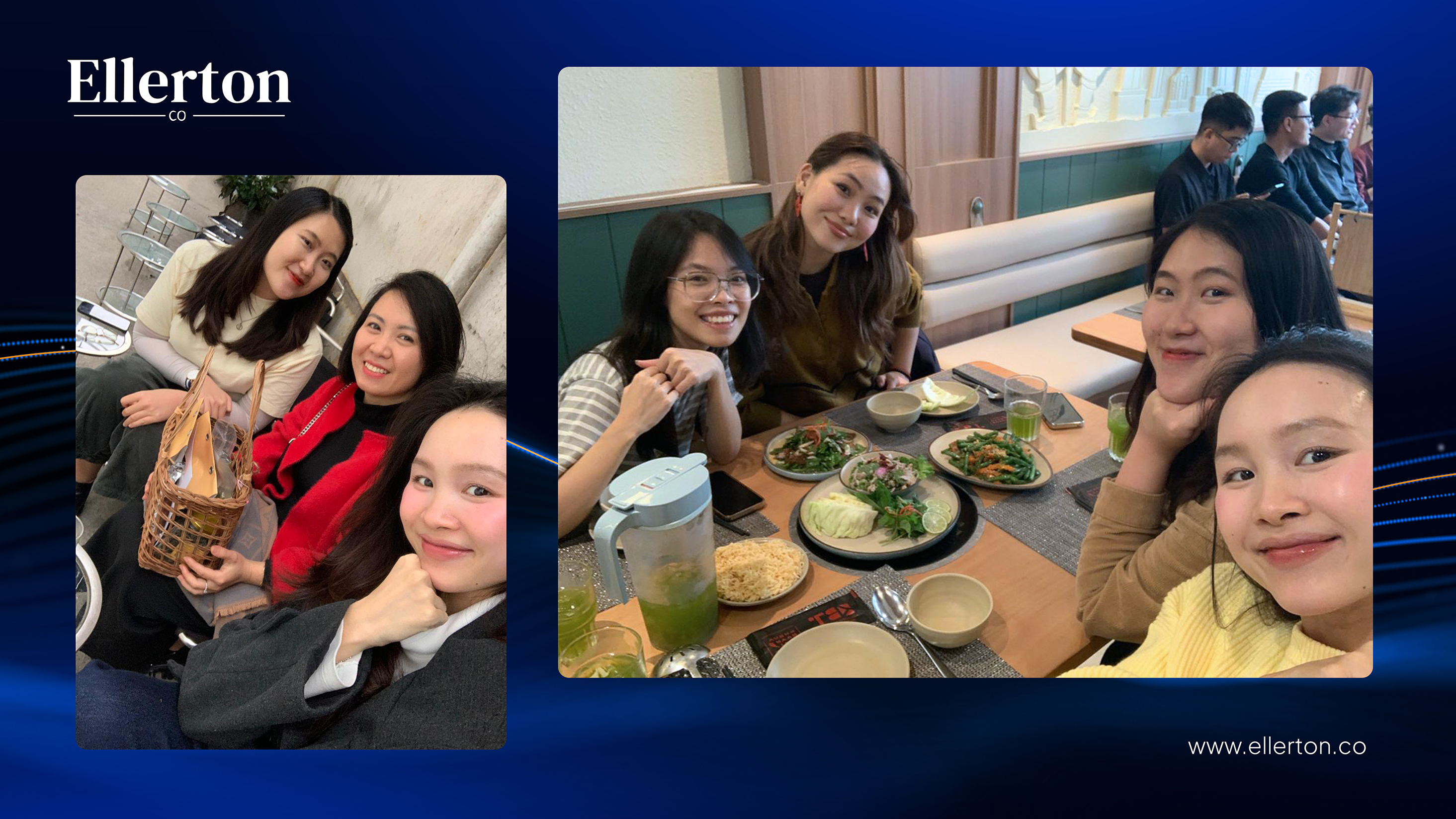
Vietnam rewards people who do their homework and show up consistently, and has little patience for anyone trying to take shortcuts in either. If you want to cut through the noise in this new operating environment, keep these realities in mind:
None of this is fast, and none of it is especially visible in a single quarter's coverage report. But the people who stay genuinely close to how things move here, who never skip the cà phê, are the ones whose stories keep landing.
That, more than any media list, is the real advantage in Vietnam's Doi Moi 2.0 era.
Stay ahead with analysis and communications insights from teams working across SEA, India, and Europe.
Stay informed with Ellerton & Co.’s latest updates and expert insights at the intersection of PR and business.